
 Video
Tteokbokki, Hyunok's recipe
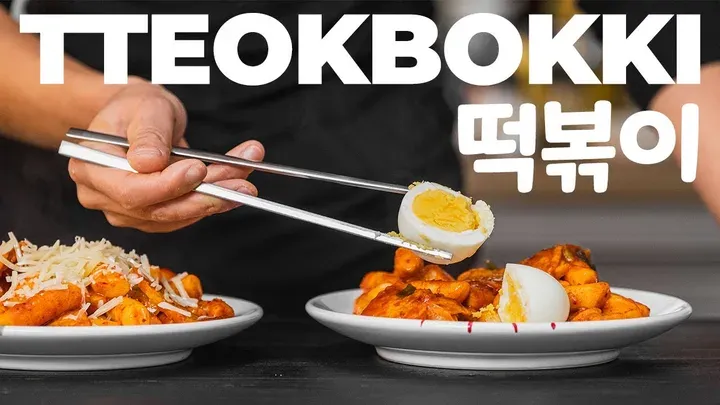
Round rice cakes in a sweet and spicy sauce of Gochujang and Gochugaru. I show you the basic recipe and what you can add: fish cake, egg, cheese, vegetables or ramen noodles.
Ingredient
In Korean떡
Tteok (떡) is the general word for Korean rice cakes, a huge category of foods made from rice flour or glutinous rice flour. The most important form for cooking is garaetteok: cylindrical rice cakes that are used in tteokbokki and tteokguk. Sweet kinds such as songpyeon (for Chuseok) and injeolmi (with soybean powder) are festive foods. In Korea, tteok means celebration: there are specific kinds for Chuseok, Seollal and birthdays. The word 떡 appears in the names of many Korean dishes and is an important word to know.
VideoRound rice cakes in a sweet and spicy sauce of Gochujang and Gochugaru. I show you the basic recipe and what you can add: fish cake, egg, cheese, vegetables or ramen noodles.
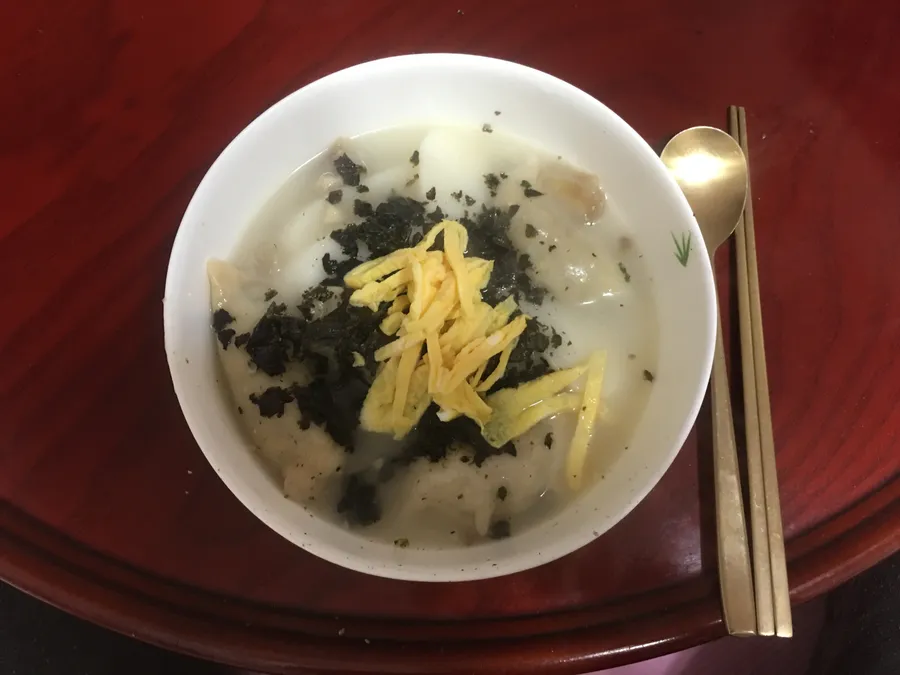
The rice cake soup we eat in Korea on New Year's morning, here with anchovy broth instead of beef brisket: quicker, lighter and just as common in Korea. Whoever eats it becomes a year older. That also explains how Korean age works.
At a glance
The traditional Korean New Year dish is called Tteokguk (떡국) and consists of several ingredients that you will find in many dishes of Korean cuisine and that you should know as a Korea expert.
Jesa (제사) is the Korean ancestral ceremony. Families hold it on Seollal, on Chuseok and on the anniversary of a death, and at the two big holidays it is called Charye (차례).
Holiday is called Gonghyuil 공휴일 in Korean, but in Chinese script Hanja 한자 it is 公休日. The meaning of the Chinese character is official day of rest, so Sunday is actually also a Gonghyuil 공휴일.
On YouTube
Learn Korean with Hyunok Jang on our English YouTube channel. Start with Hangul and work through the lessons at your own pace.