
How to say OMG in Korean
How to say OMG in Korean: 어머, 세상에, 이런 and 헐, often stacked as 어머 세상에 이런 일이. Hyunok explains which exclamation fits which situation, plus the loan 오 마이 갓, the old-fashioned 맙소사 and the literal 오 하나님.
Sometimes the words fail you for a moment. This lesson is about the Korean expressions for exactly that: the Korean side of “OMG” or “oh my God”, from the small sound 어머 to the longer 어머 세상에 이런 일이.

어머 and 어머나: a sound of surprise
어머, or the longer 어머나, is the one I use most. It is more a sound than a word, and it is mostly women who use it, when something startles them or an unexpected turn of events upsets them.
There is a well-known Korean song built around it.
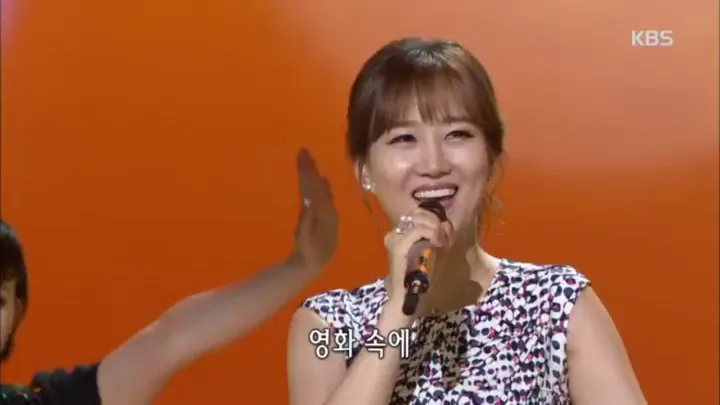
Cultural note: you will hear 어머 mainly from women, often within the family or in informal situations.
Example: 오 이런, 제게 이러지 마요. (Oh my God, please don’t do this to me.)
세상에: what in the world?
세상 is the Korean word for “world”. Add the location particle 에 and you get 세상에, which translates literally as “what in the world?”. The feeling behind it: never in the world would I have expected this. How can this be?
It often appears together with 어머. Say 어머 세상에 and the surprise gets stronger.
Cultural note: 세상에 is not tied to a gender. You will hear it in a range of social situations.
Example: 세상에, 그녀는 정말로 사랑스러워! (Oh my God, she is so adorable!)
이런: the all-rounder
이런 (Ireon) literally means “this” or “something like this”, but it also works as “oh my God”. You often meet it in a phrase like 어머 세상에 이런 일이 (Oh my God, how could this happen?). That phrase stacks all three expressions from this lesson: 어머, 세상에 and 이런. Roughly: how in the world could something like this happen?
Cultural note: 이런 is flexible. It fits many contexts and is used across age groups.
Example: 오 이런, 내가 방금 너의 칫솔을 사용했어. (Oh my God, I just used your toothbrush.)
헐: the younger generation’s word
헐 (Heol) is another expression, one you will hear above all from young people. It often comes up in situations of mild disappointment or concern, but also simply for out-of-the-ordinary events.
Cultural note: 헐 is popular with the younger generation and belongs in informal situations.
오 마이 갓: the English loan
The English “oh my God” is well known in Korea too. It is written and pronounced 오 마이 갓.
When I was a child, far fewer English words had found their way into Korean, and we did not know 오 마이 갓. But it sounds a little like 엄마, the Korean word for mom. So as children we said 엄마 or 엄마야 when something scared us.
Cultural note: 오 마이 갓 shows how global culture reaches the Korean language. You will hear it often from younger people.
맙소사: the old-fashioned one
맙소사 is sometimes used as an alternative to “oh my God”. It sounds old-fashioned, and today you meet it mainly in written Korean. Watch the subtitles of Korean films and series and you will see it often.
Example: 맙소사, 난 이 일이 싫어 (Oh my God, I hate this job.)
오, 하나님 and 오 주여: the literal translations
Korean also has literal translations of “oh my God”. They were shaped by Christians and are used mostly by religious people.
- 오, 하나님 (Oh, Hananim): 하나 (Hana) means “one” and 님 (nim) is a respectful form of address. Together this gives “the One” or “the only One”, one of the Korean names for God.
- 오 주여 (Oh Juyeoh): 주 (Ju) is another word for God, and 여 (yeoh) is an ending that marks the call.
Cultural note: both 오, 하나님 and 오 주여 mean “oh God” or “oh my God” word for word, but in Korea they belong mainly to religious speech.
I hope this lesson has you ready for your next surprise, or your next small Korean shock.