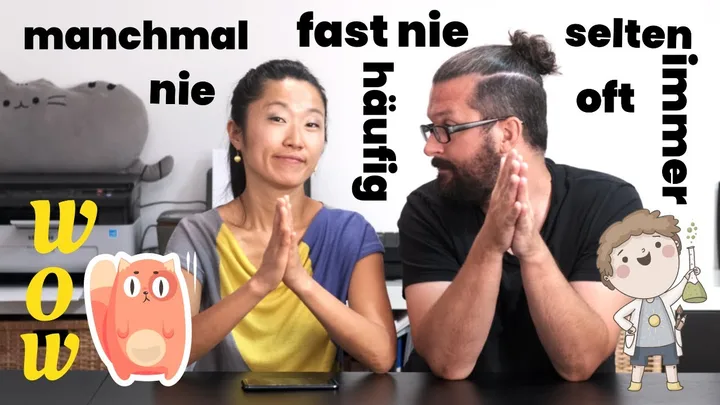
10 Korean adverbs of frequency: always, never, often, sometimes
Learn 항상, 언제나, 늘, 맨날, 보통, 자주, 종종, 가끔, 거의 안 and 전혀 안: ten Korean adverbs of frequency, from always to never, each with an example sentence and a note on where it fits.
Vocabulary by theme, expressions, and sentences for real situations.
Learn 항상, 언제나, 늘, 맨날, 보통, 자주, 종종, 가끔, 거의 안 and 전혀 안: ten Korean adverbs of frequency, from always to never, each with an example sentence and a note on where it fits.
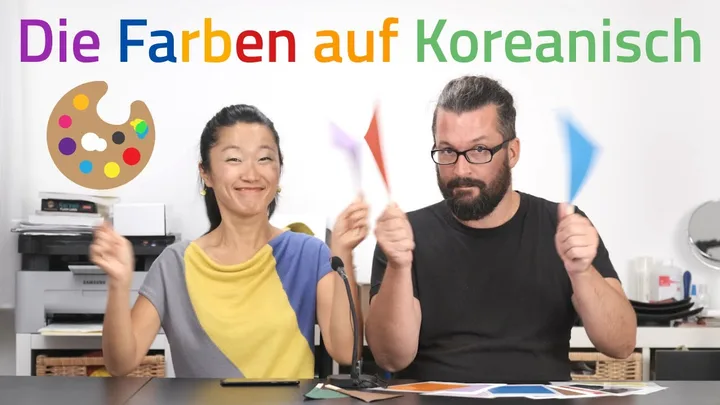
Learn 색 and 색깔, the seven rainbow colours from 빨간색 to 보라색, everyday colours such as 검정색, 하얀색 and 분홍색, and why 푸르다 can mean both blue and green.
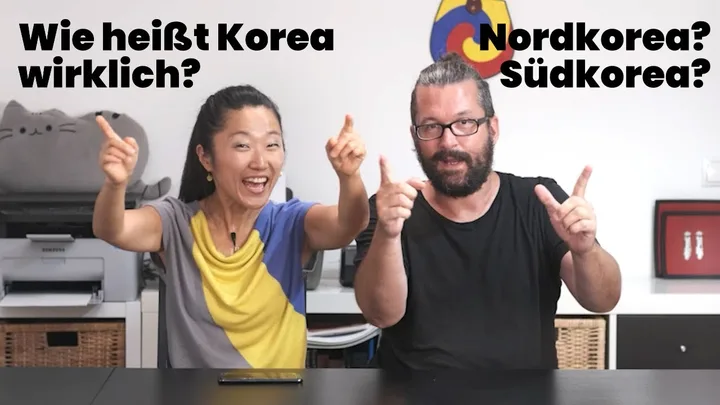
Learn 한국 and the official name 대한민국, where the older name 조선 comes from, and why South Korea says 북한 while North Korea says 남조선.
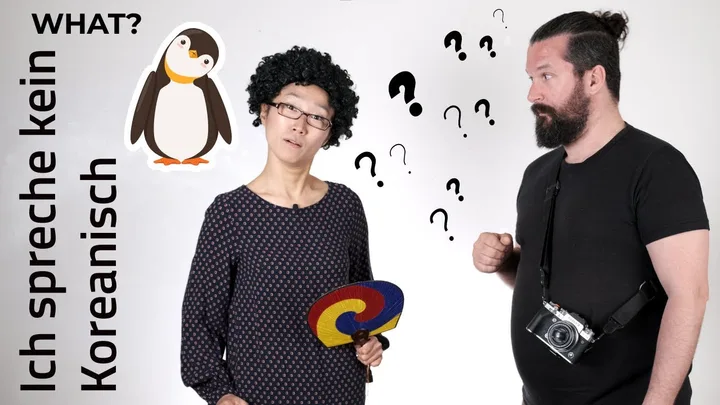
Learn 한국어를 못 해요 and 한국어를 잘 못 해요 for “I don't speak Korean” and “I don't speak Korean well”, why 한국어 몰라요 is the wrong sentence, and 천천히 말해주세요 to ask someone to speak slowly.
Learn the two words for I, 저 and 나, the informal 너 for you, why 당신 needs care, and how Korean says he, she, we and they with 그 사람, 우리, 저희 and 너희.
Learn 당신, 여보, 자기 and 자기야, the name endings 아 and 야, and 오빠 and 누나: which terms of endearment Korean couples use, and how relationship, age and situation decide the right one.
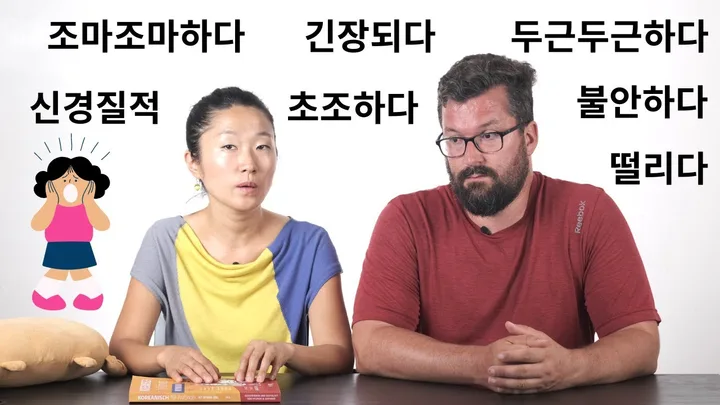
Learn how to say nervous in Korean: 신경질적, 초조하다, 불안하다, 조마조마하다 and the heart words, and why 떨리다 and 긴장되다 are the two expressions you will actually hear in everyday life.
How to say OMG in Korean: 어머, 세상에, 이런 and 헐, often stacked as 어머 세상에 이런 일이. Hyunok explains which exclamation fits which situation, plus the loan 오 마이 갓, the old-fashioned 맙소사 and the literal 오 하나님.
Learn 시간을 잘 지켜요 and 시간을 맞추다, how to combine them with 가다/오다 to say that someone arrives on time, and the time expressions 제시간에, 제때에 and 정각에.
Learn 빨리, 어서 and 얼른, three Korean words for quickly, and how expressions like 빨리빨리, 어서 오세요, 어서 하세요 and 얼른 하세요 differ in tone and use.
The Korean word for season is 계절 (gyejeol), and the four together are 사계절. Learn 봄, 여름, 가을 and 겨울, the question 어느 계절을 좋아해요?, and when to use 어느 rather than 무슨.
Learn 안부 전해 주세요, what 안부, 전하다 and 주세요 each contribute to the sentence, and how 한테 names the person your regards are for, as in 선생님한테 안부 전해 주세요.
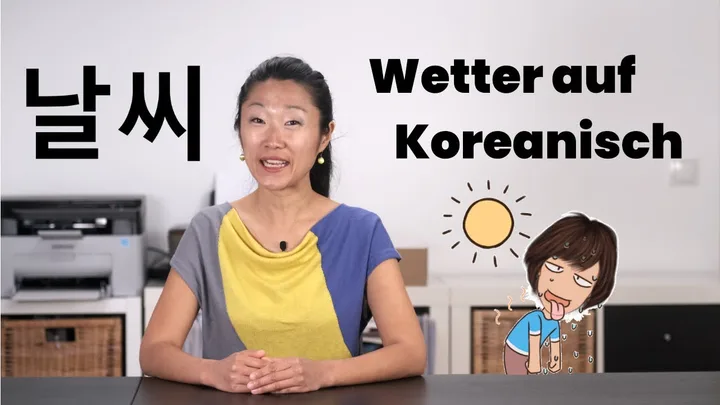
Learn to ask 날씨가 어때요? and to answer with 좋아요, 맑아요, 흐려요, 더워요, 추워요, 비가 와요, 눈이 와요 and 바람이 불어요, plus 아주, 너무 and 많이 to say how much.
Learn what 대박 (daebak) means, where the word comes from, and how 짱 and 장난 아니에요 can express the same kind of surprise and admiration in Korean.
맛있게 드세요, 잘 먹겠습니다 and a simple thank you: learn what to say when serving a meal, receiving one or eating in a restaurant.
You have waited for something, and it has happened at last. Learn how to use 드디어 and how it differs from 마침내, 결국에 and 마지막으로.
Learn 빨리 나으세요 for someone who is unwell and 건강하세요 for a wish of good health. They are different from saying bless you after a sneeze.

Learn 안녕히 주무세요 and 잘 자요, and how your relationship with the other person affects the way you wish them a good night.
Learn 생일 축하합니다, birthday wishes before or after the day, and respectful forms for an older person.

Understand 새해 복 많이 받으세요 one part at a time, and learn the expression for the last day of the year.
Use 몰라요 when you do not know, and 글쎄요 when you are unsure. See the difference in short Korean conversations.
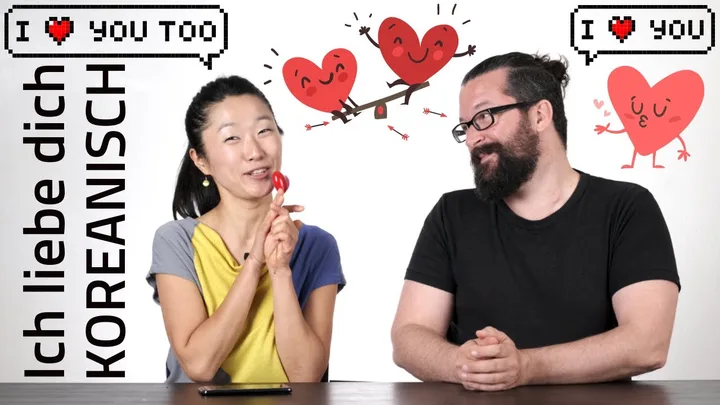
Understand 사랑해 and 사랑해요, how politeness changes the expression, and why liking a food needs a different example.

From 메리 크리스마스 to 크리스마스 잘 보내세요: Korean Christmas greetings for a conversation, message or card.
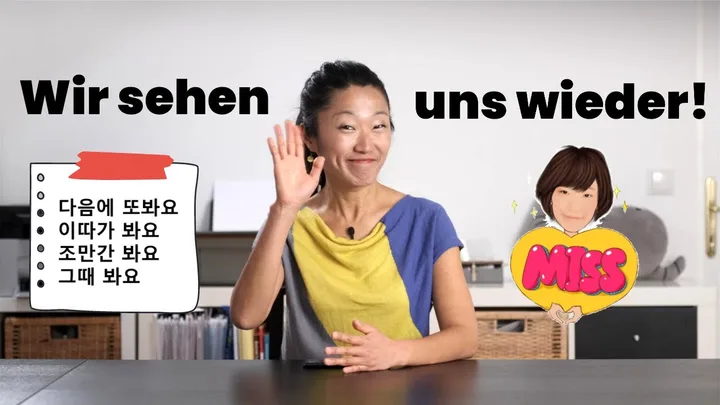
다음에 또 봐요, 이따가 봐요, 조만간 봐요 and 그때 봐요: choose a Korean goodbye for next time, later today, soon or an agreed meeting.
On YouTube
Learn Korean with Hyunok Jang on our English YouTube channel. Start with Hangul and work through the lessons at your own pace.