
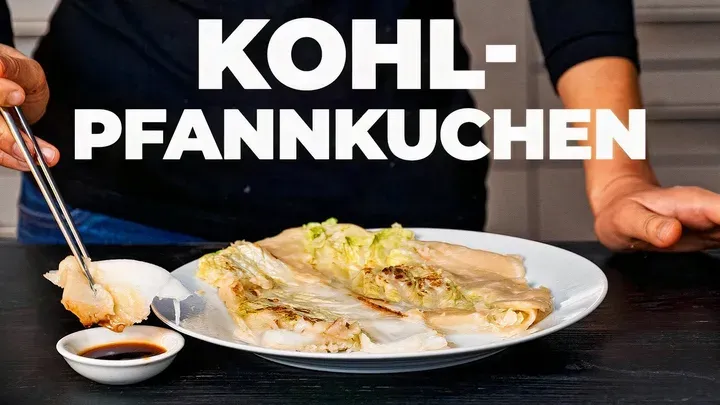
 Pancakes (Jeon 전)
Baechujeon
배추전
Baechujeon (배추전) is a pancake made with napa cabbage leaves in a simple batter of flour, water and a little salt. In Korea we make it for the ancestral rite.
Get to know Korean dishes and their names. Where a recipe is available, you can find it on the dish page.
17entries, each with its Korean name
Pancakes (Jeon 전)배추전
Baechujeon (배추전) is a pancake made with napa cabbage leaves in a simple batter of flour, water and a little salt. In Korea we make it for the ancestral rite.
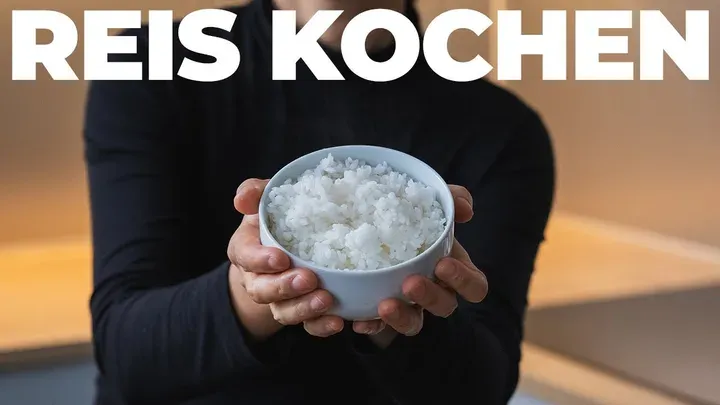 Rice dishes (Bap 밥)
밥
Bap (밥) means cooked rice; uncooked rice is called Ssal (쌀). In Korea we eat sticky short-grain rice, as a side dish with Bulgogi, for example, or as the base for Gimbap.
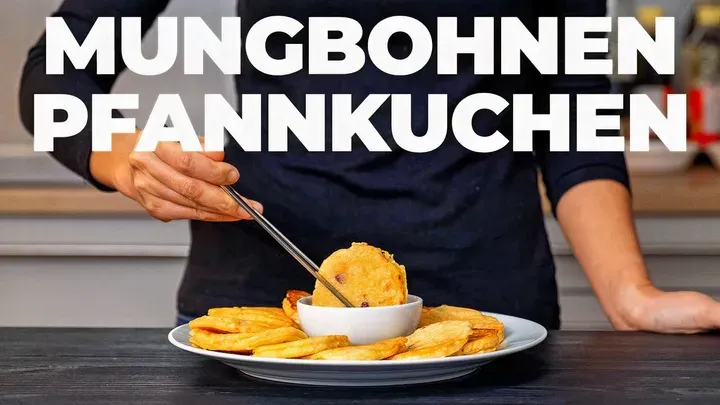 Pancakes (Jeon 전)
빈대떡
Bindaetteok (빈대떡) is a pancake made from mung beans and the speciality of Gwangjang Market (광장시장) in Seoul. Ground mung beans (녹두) are made into a coarse batter and mixed with minced pork, bean sprouts, kimchi and spring onions.
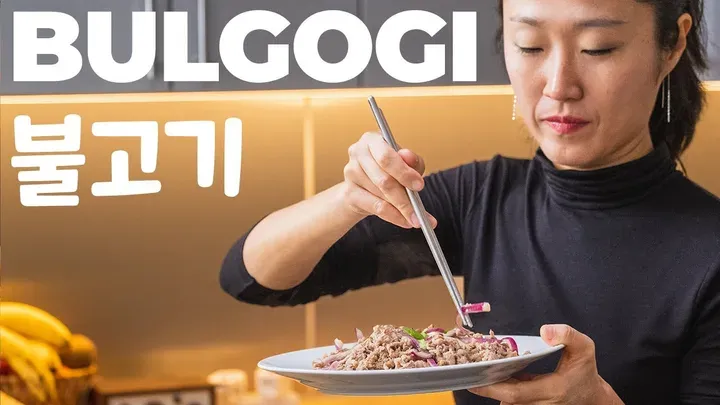 Grilled dishes (Gui 구이)
불고기
Bulgogi (불고기) means "fire meat" and is one of the best-known Korean dishes. Very thinly sliced beef is marinated in soy sauce (간장), garlic, sesame oil and pear. The pear makes the meat tender and gives it a light sweetness.
 Stir-fried dishes (Bokkeum 볶음)
닭볶음
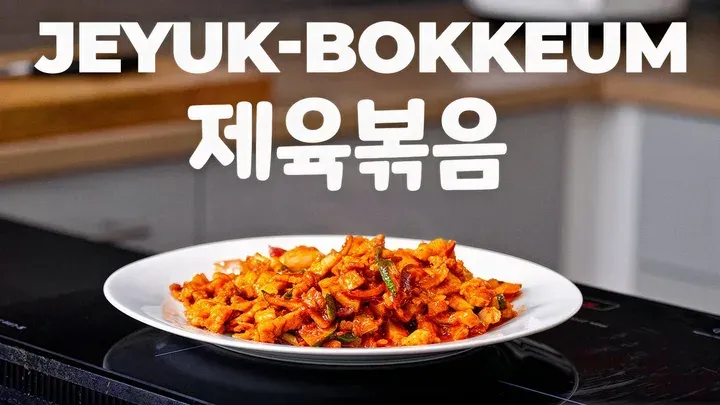
Dakbokkeum (닭볶음) is spicy stir-fried chicken with vegetables. 닭 (dak) means chicken, 볶음 (bokkeum) means something stir-fried. With pork the same dish is called Jeyuk-bokkeum.
 Pancakes (Jeon 전)
두부전
Dubujeon (두부전) is fried tofu. 두부 (dubu) means tofu, 전 (jeon) means a pancake or something fried in a pan. I make Dubujeon with egg: the tofu gets a coat of egg and spring onion.
 Pancakes (Jeon 전)
감자전
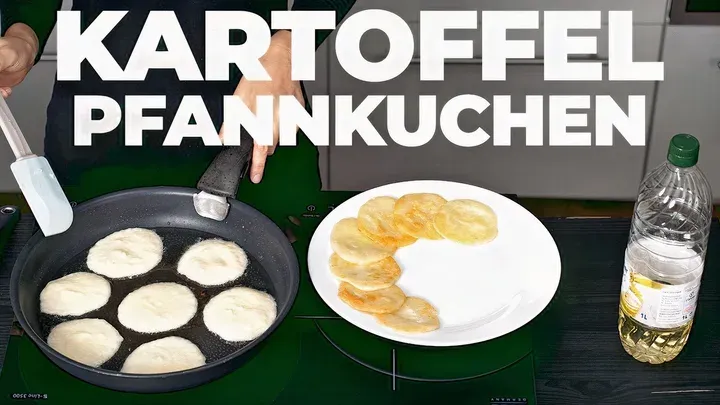
Gamjajeon (감자전) are Korean potato pancakes. 감자 (gamja) means potato, 전 (jeon) means pancake. My simple version is made only of blended potatoes, a little salt and oil for frying.
 Rice dishes (Bap 밥)
김밥
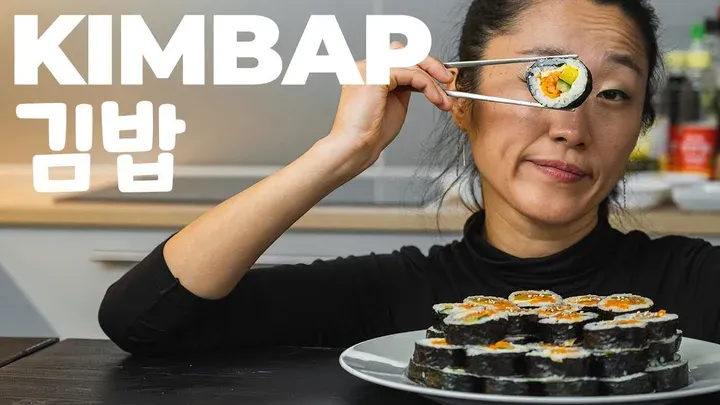
Gimbap (김밥) are Korean rice rolls in a sheet of seaweed and the most popular food to take along in Korea. The name is made of 김 (gim, roasted seaweed) and 밥 (bap, rice). Gimbap is not sushi: the rice is seasoned with sesame oil (참기름), without vinegar and sugar.
 Pancakes (Jeon 전)
해물파전
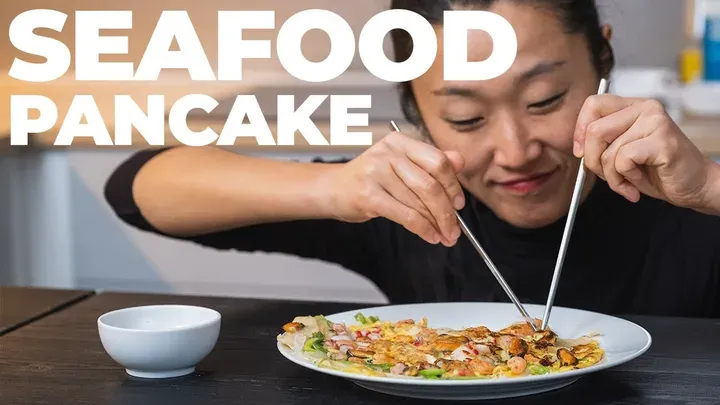
Haemul-pajeon (해물파전) is a crisp Korean pancake with seafood and spring onions. The name explains itself: 해물 means seafood, 파 means spring onion and 전 is the Korean word for a pancake or something pan-fried.
Stir-fried dishes (Bokkeum 볶음)제육볶음
Jeyuk-bokkeum (제육볶음) is spicy stir-fried pork and part of everyday Korean cooking. Thinly sliced pork is seasoned with Gochujang (고추장) and Gochugaru (고춧가루) and fried over high heat until the sauce caramelises.
 Kimchi and pickles (Kimchi 김치, Jangajji 장아찌)
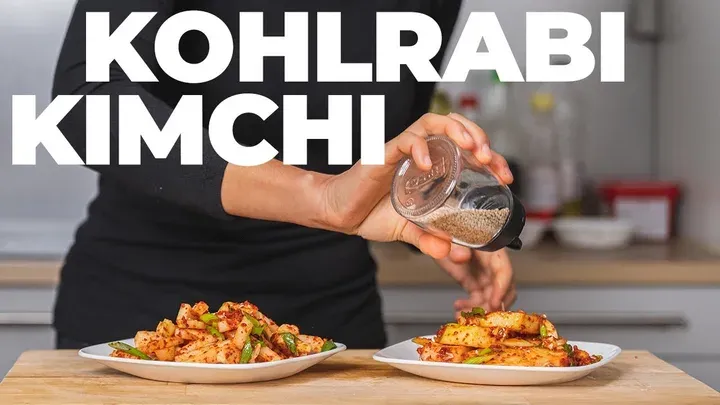
콜라비김치
Kohlrabi kimchi (콜라비김치) is my spicy side dish of kohlrabi, garlic and Gochugaru. There are two versions: one like kimchi, without vinegar, and one like a salad, with vinegar and sesame oil.
 Seasoned dishes and vegetable sides (Muchim 무침, Namul 나물)
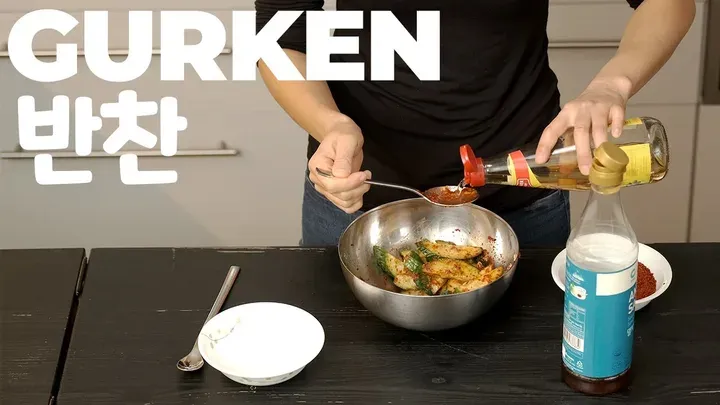
오이무침
Oi-muchim (오이무침) is a seasoned cucumber side dish, a Banchan. 오이 (oi) means cucumber, 무침 (muchim) means something seasoned and mixed. The cucumber is mixed with Gochugaru, garlic, spring onion, vinegar and sesame oil.
 Stir-fried dishes (Bokkeum 볶음)
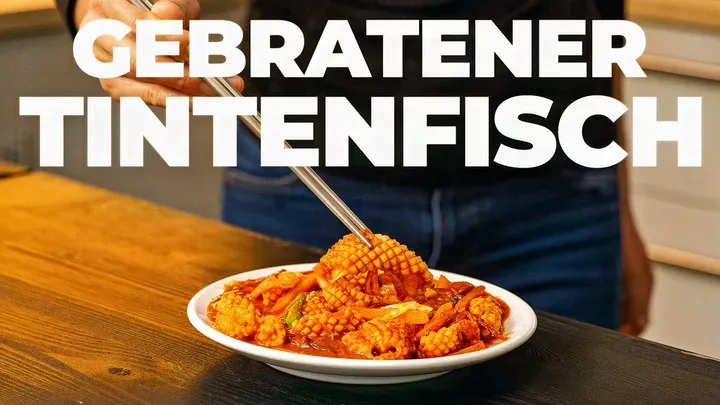
오징어볶음
Ojingeo-bokkeum (오징어볶음) is spicy stir-fried squid and one of the most popular everyday dishes in Korean cooking. The name explains itself: 오징어 (ojingeo) means squid, 볶음 (bokkeum) means something stir-fried.
 Seasoned dishes and vegetable sides (Muchim 무침, Namul 나물)
오징어무침
Ojingeo-muchim (오징어무침) is a seasoned squid salad. 오징어 (ojingeo) means squid, 무침 (muchim) means something seasoned and mixed. Cooked, cooled squid is mixed with cucumber, onion and a spicy seasoning.
 Pancakes (Jeon 전)
생선전
Saengseon-jeon (생선전) is fish fillet in a thin coat of flour and egg, fried in the pan. 생선 (saengseon) means fish, 전 (jeon) means a pancake or something pan-fried. In Korea it is festive food.
 Rice cakes (Tteok 떡)
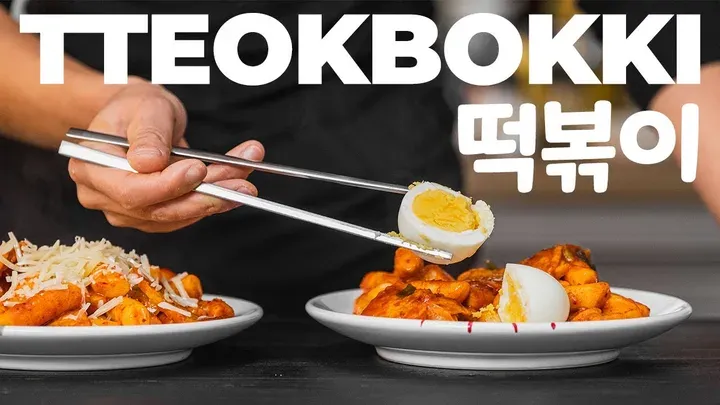
떡볶이
Tteokbokki (떡볶이) is the king of Korean street food: chewy, round rice cakes in a sweet and spicy Gochujang sauce (고추장). 떡 (tteok) means rice cake, 볶이 (bokki) comes from frying. Tteokbokki is not a main meal but a snack.
 Soups (Guk 국, Tang 탕)
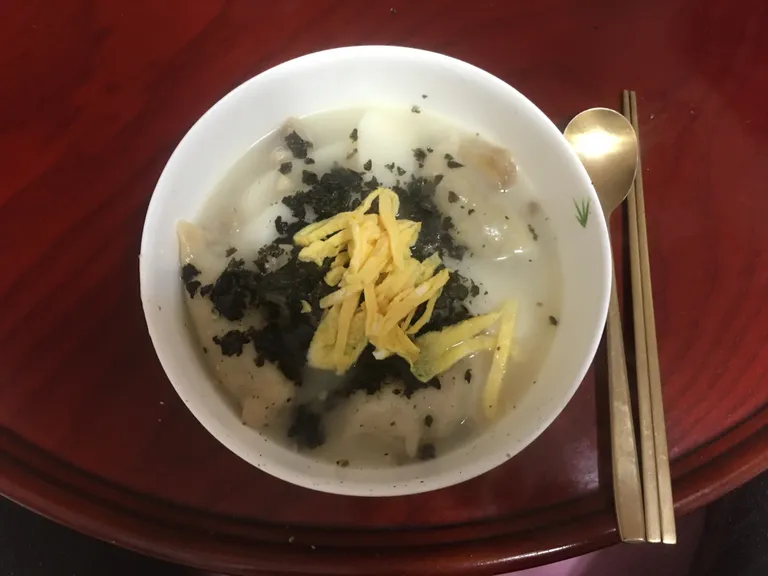
떡국
Tteokguk (떡국) is the New Year dish in Korea. At Seollal (설날, Lunar New Year) every Korean family eats this soup with oval slices of rice cake. The shape of the rice cakes (떡) recalls coins and stands for prosperity in the new year.
On YouTube
Learn Korean with Hyunok Jang on our English YouTube channel. Start with Hangul and work through the lessons at your own pace.