Seoul
서울
Seoul puts Korean around you in everyday settings: station announcements, signs, menus and conversations. For learners, the city offers many small chances to recognise and use what they have studied.
Person
In Korean장현옥
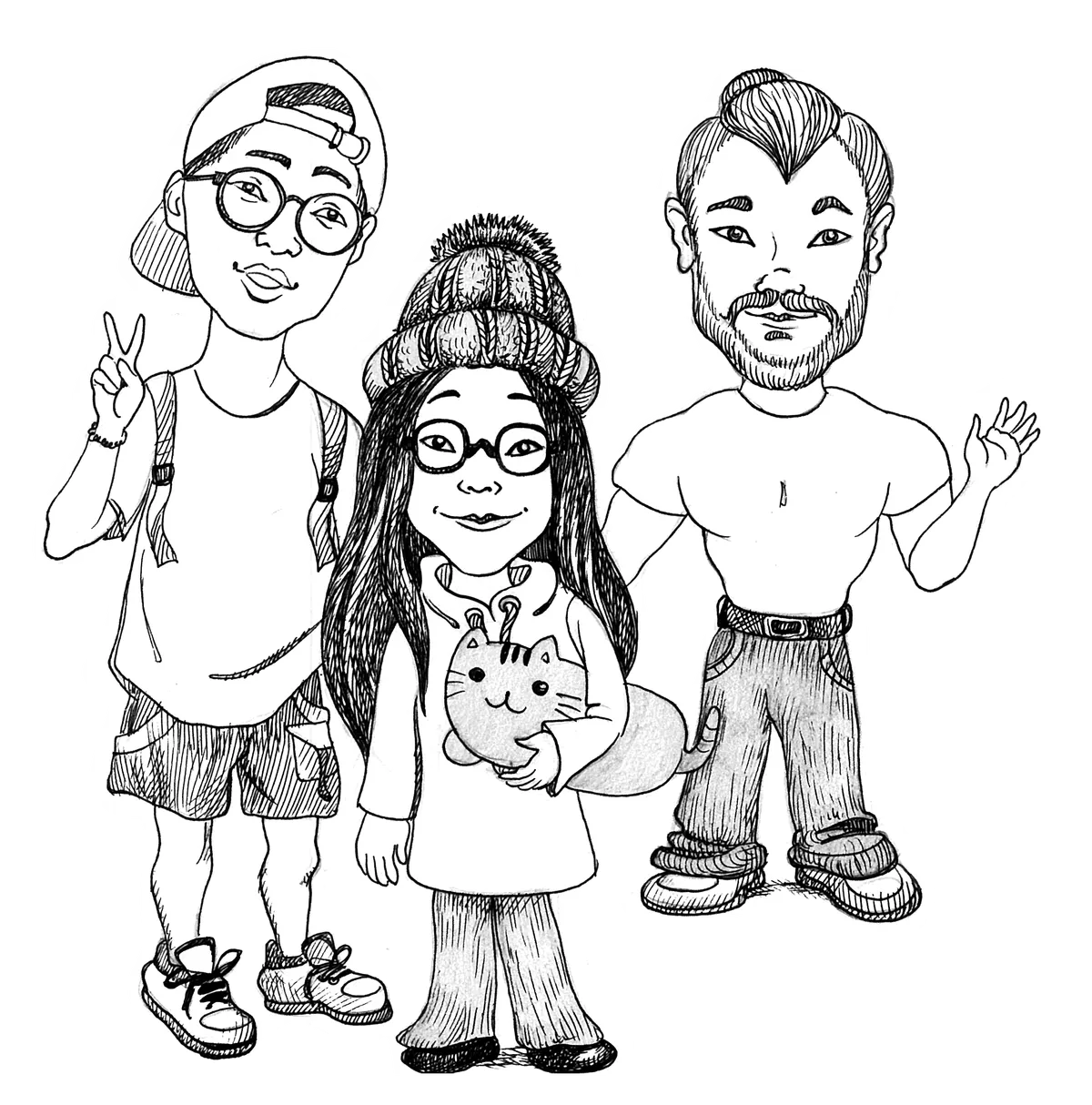
Hyunok Jang (장현옥) is the Korean teacher behind Koreanischkurs. She has taught Korean for more than twenty years, first in Seoul and later in Hanoi, where her mentor Ms Im helped shape her teaching.
Hyunok Jang (장현옥) is the Korean teacher behind Koreanischkurs. After completing her master’s degree in Korean as a foreign language, she taught at a university language centre in Seoul. She later worked at a Korean language centre in Hanoi, where Ms Im became her mentor and close friend.
Her teaching starts with Hangul and builds through small steps, examples and practice. In summer 2020 she began recording exercises for her own students when in-person classes were no longer possible. The alphabet videos followed, then the YouTube channel, the books and the wider learning programme.
Hyunok and Gerhard develop the explanations and materials together. Hyunok brings her teaching experience; Gerhard brings a learner’s perspective and works on video production, technology and the website. Read their story, or start with the free English lessons.
At a glance
서울
Seoul puts Korean around you in everyday settings: station announcements, signs, menus and conversations. For learners, the city offers many small chances to recognise and use what they have studied.
케이장
k-jang OG is the Salzburg company behind Koreanischkurs. Hyunok Jang and Gerhard Reus develop its videos, books, audio and learning materials together.
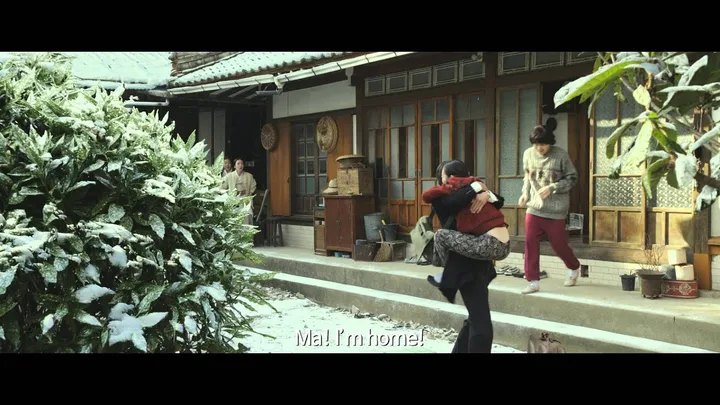
How the Korean War (한국전쟁), which South Koreans call the 6.25 War (육이오 전쟁), began at the 38th parallel (38선), and the words that come with it: 한강, 영부인, 호주댁, 419 혁명 and the Christmas miracle at 흥남.
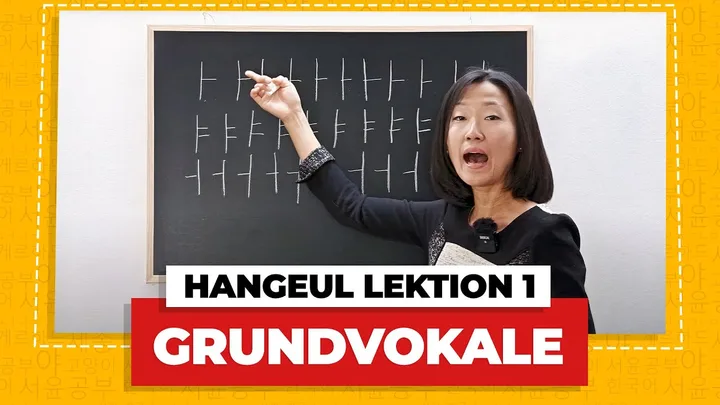
Learn Hangul in eight steps: the ten basic vowels from ㅏ to ㅣ, the fourteen basic consonants, syllable blocks like 가, 고 and 문, the silent placeholder ㅇ, double consonants (사다 and 싸다), double vowels, the final consonant batchim and the liaison rule behind 음악 → [으막].
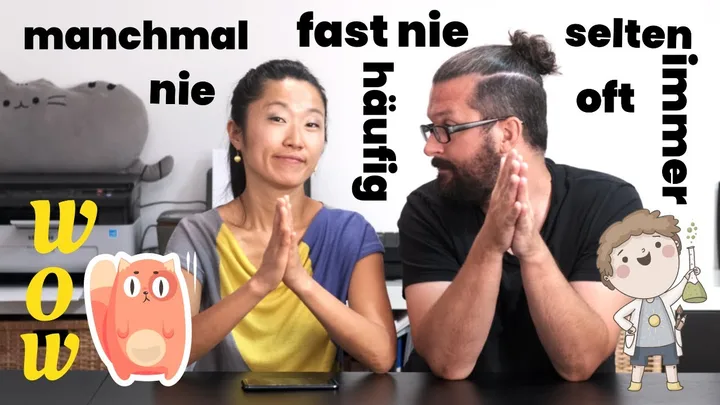
Learn 항상, 언제나, 늘, 맨날, 보통, 자주, 종종, 가끔, 거의 안 and 전혀 안: ten Korean adverbs of frequency, from always to never, each with an example sentence and a note on where it fits.
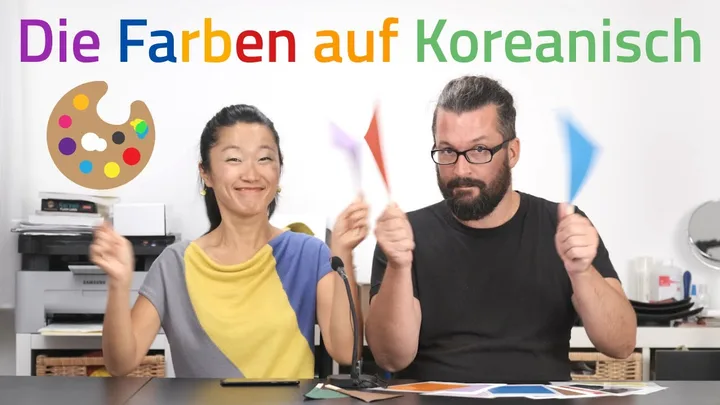
Learn 색 and 색깔, the seven rainbow colours from 빨간색 to 보라색, everyday colours such as 검정색, 하얀색 and 분홍색, and why 푸르다 can mean both blue and green.
Learn 한국 and the official name 대한민국, where the older name 조선 comes from, and why South Korea says 북한 while North Korea says 남조선.
Learn 한국어를 못 해요 and 한국어를 잘 못 해요 for “I don't speak Korean” and “I don't speak Korean well”, why 한국어 몰라요 is the wrong sentence, and 천천히 말해주세요 to ask someone to speak slowly.
Learn the two words for I, 저 and 나, the informal 너 for you, why 당신 needs care, and how Korean says he, she, we and they with 그 사람, 우리, 저희 and 너희.
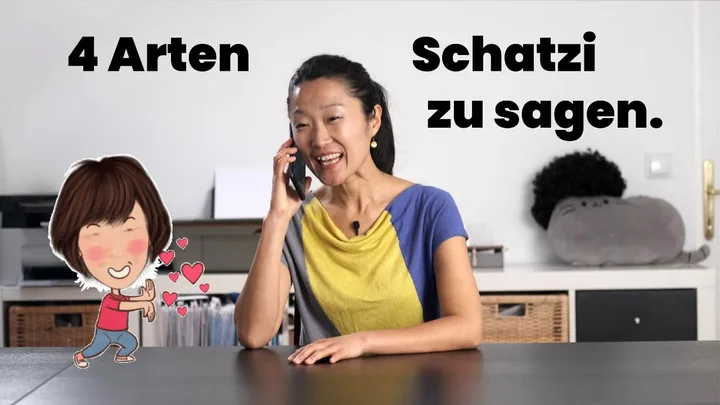
Learn 당신, 여보, 자기 and 자기야, the name endings 아 and 야, and 오빠 and 누나: which terms of endearment Korean couples use, and how relationship, age and situation decide the right one.
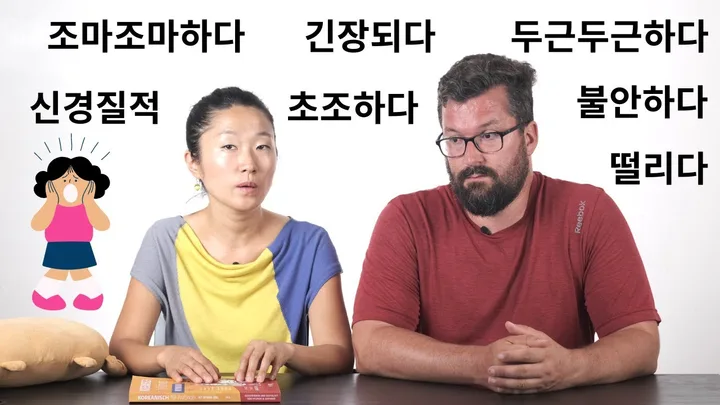
Learn how to say nervous in Korean: 신경질적, 초조하다, 불안하다, 조마조마하다 and the heart words, and why 떨리다 and 긴장되다 are the two expressions you will actually hear in everyday life.
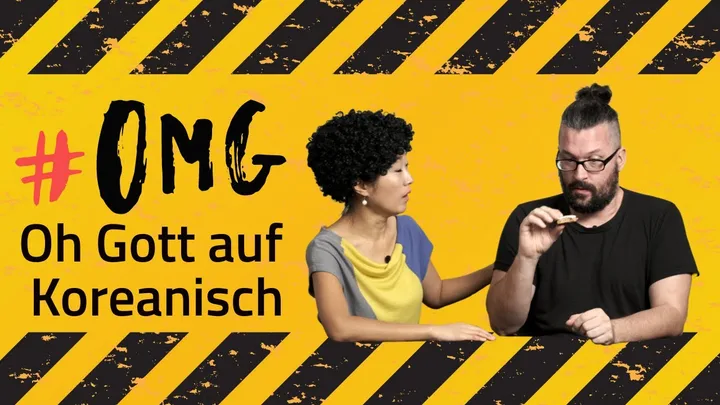
How to say OMG in Korean: 어머, 세상에, 이런 and 헐, often stacked as 어머 세상에 이런 일이. Hyunok explains which exclamation fits which situation, plus the loan 오 마이 갓, the old-fashioned 맙소사 and the literal 오 하나님.
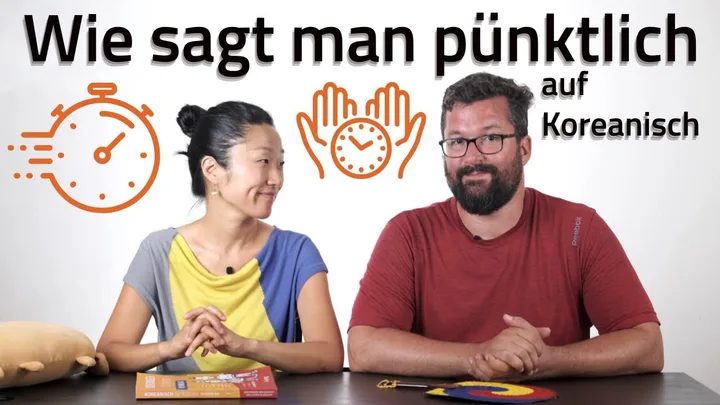
Learn 시간을 잘 지켜요 and 시간을 맞추다, how to combine them with 가다/오다 to say that someone arrives on time, and the time expressions 제시간에, 제때에 and 정각에.
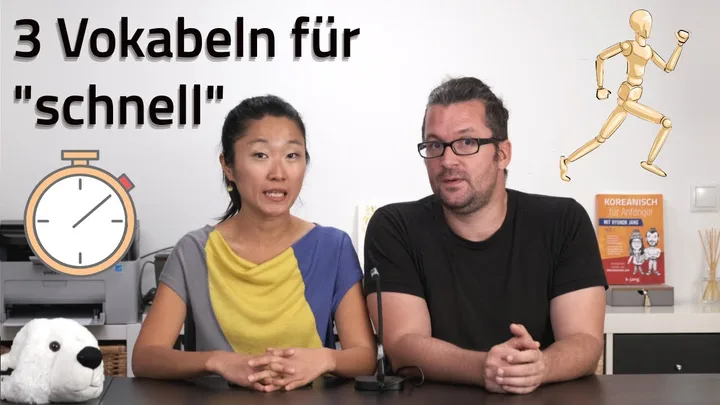
Learn 빨리, 어서 and 얼른, three Korean words for quickly, and how expressions like 빨리빨리, 어서 오세요, 어서 하세요 and 얼른 하세요 differ in tone and use.
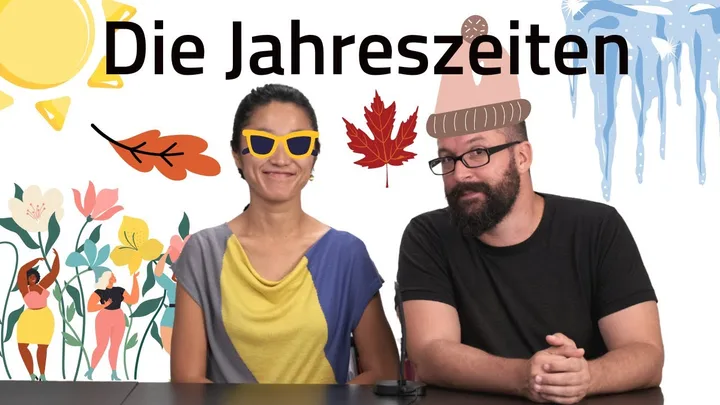
The Korean word for season is 계절 (gyejeol), and the four together are 사계절. Learn 봄, 여름, 가을 and 겨울, the question 어느 계절을 좋아해요?, and when to use 어느 rather than 무슨.
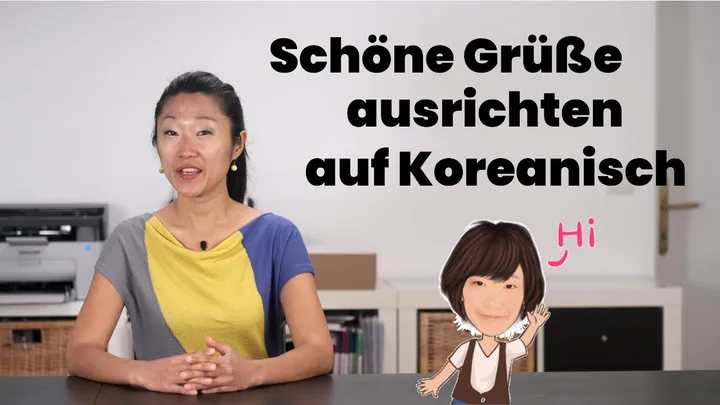
Learn 안부 전해 주세요, what 안부, 전하다 and 주세요 each contribute to the sentence, and how 한테 names the person your regards are for, as in 선생님한테 안부 전해 주세요.
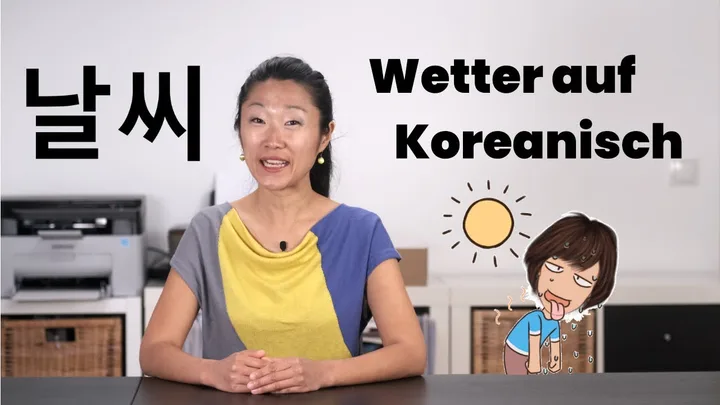
Learn to ask 날씨가 어때요? and to answer with 좋아요, 맑아요, 흐려요, 더워요, 추워요, 비가 와요, 눈이 와요 and 바람이 불어요, plus 아주, 너무 and 많이 to say how much.
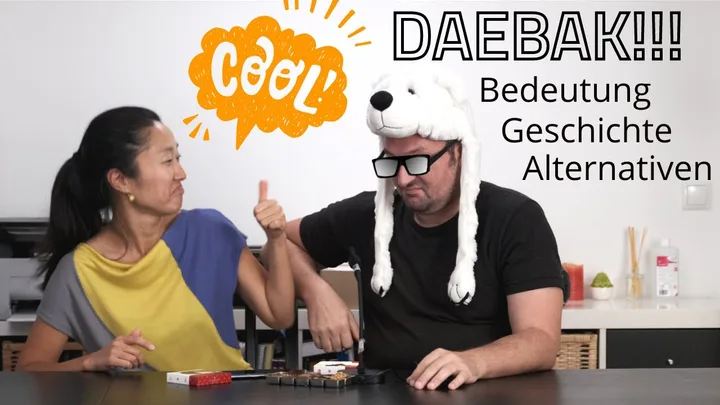
Learn what 대박 (daebak) means, where the word comes from, and how 짱 and 장난 아니에요 can express the same kind of surprise and admiration in Korean.
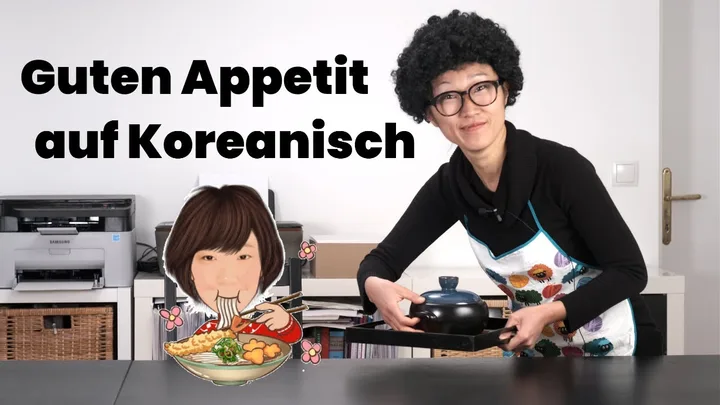
맛있게 드세요, 잘 먹겠습니다 and a simple thank you: learn what to say when serving a meal, receiving one or eating in a restaurant.
You have waited for something, and it has happened at last. Learn how to use 드디어 and how it differs from 마침내, 결국에 and 마지막으로.
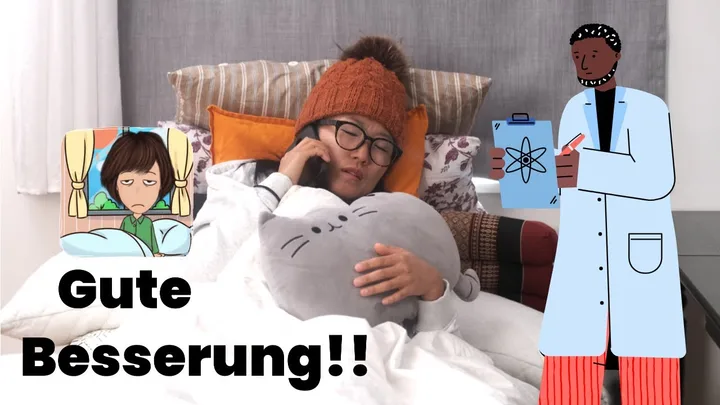
Learn 빨리 나으세요 for someone who is unwell and 건강하세요 for a wish of good health. They are different from saying bless you after a sneeze.

Learn 안녕히 주무세요 and 잘 자요, and how your relationship with the other person affects the way you wish them a good night.
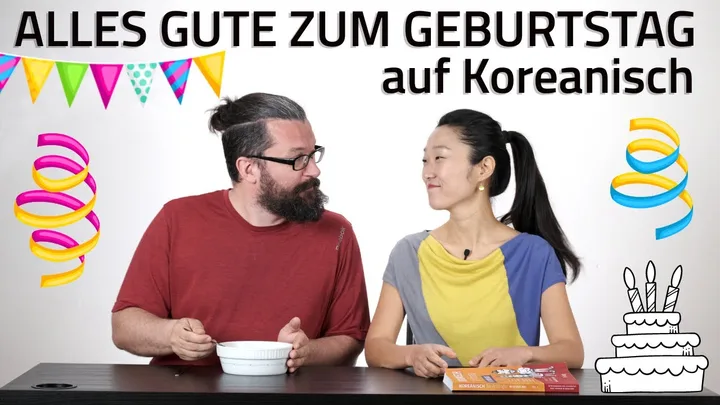
Learn 생일 축하합니다, birthday wishes before or after the day, and respectful forms for an older person.

Understand 새해 복 많이 받으세요 one part at a time, and learn the expression for the last day of the year.
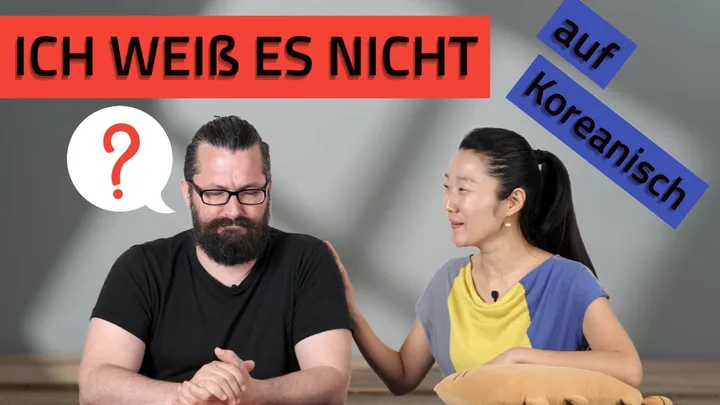
Use 몰라요 when you do not know, and 글쎄요 when you are unsure. See the difference in short Korean conversations.
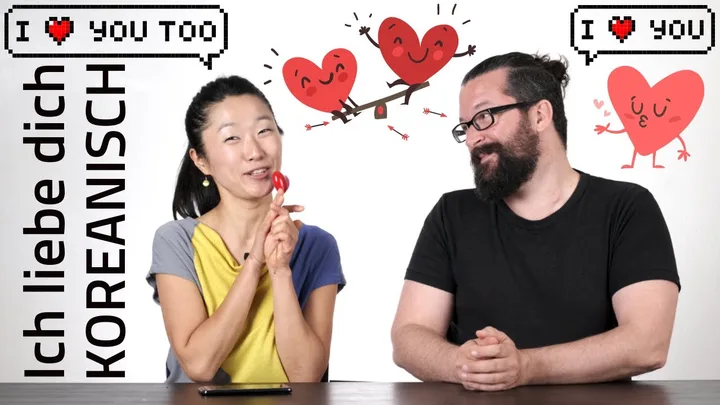
Understand 사랑해 and 사랑해요, how politeness changes the expression, and why liking a food needs a different example.
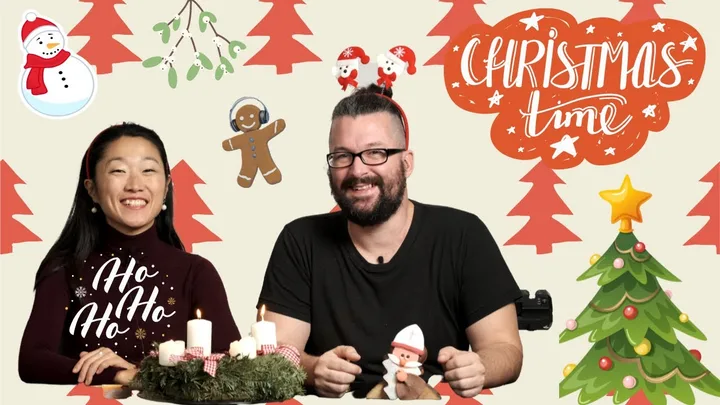
From 메리 크리스마스 to 크리스마스 잘 보내세요: Korean Christmas greetings for a conversation, message or card.
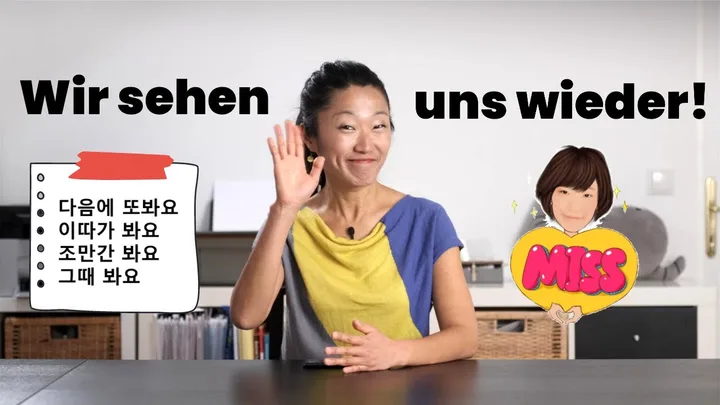
다음에 또 봐요, 이따가 봐요, 조만간 봐요 and 그때 봐요: choose a Korean goodbye for next time, later today, soon or an agreed meeting.
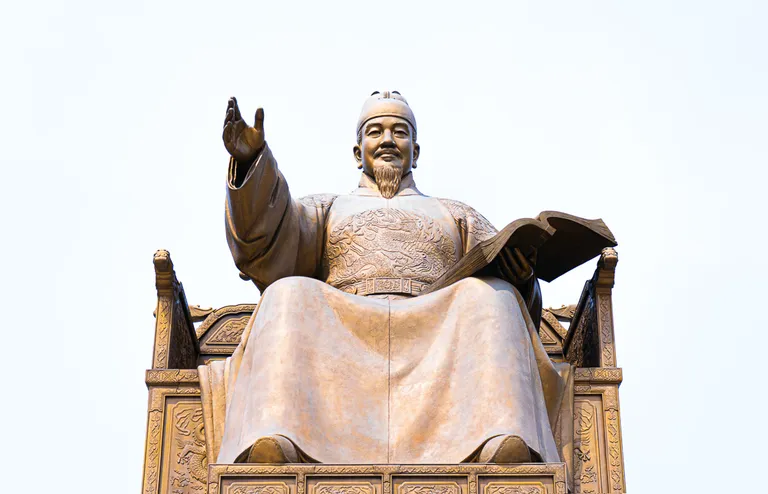
Have you learned the Korean alphabet Hangul (한글) yet, or are you planning to learn it? You may have heard that Hangul is the easiest script in the world to learn.
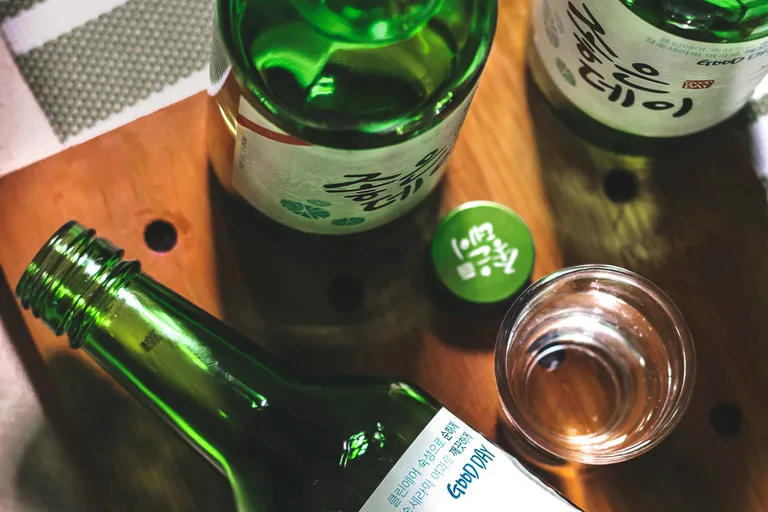
Koreans love to drink alcohol. Korea therefore has a unique drinking culture. In this article, I would like to tell you about this drinking culture in Korea.
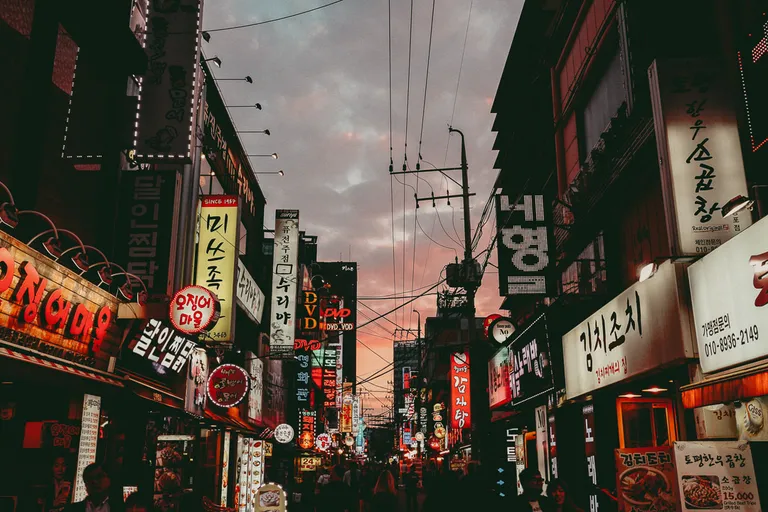
You probably already know that Korean culture is very different. In this article, I will present unique facts about Korea. Things that only exist in Korea.
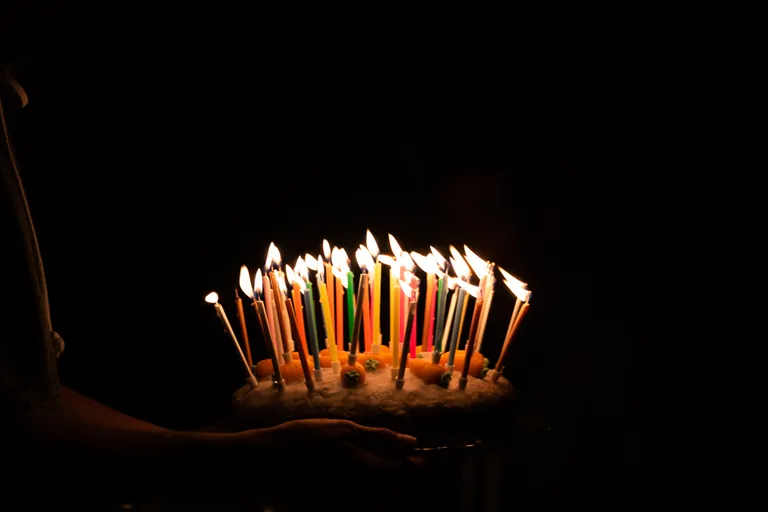
In this article, I will explain to you why Korean age is calculated differently and how you can find out your Korean age.
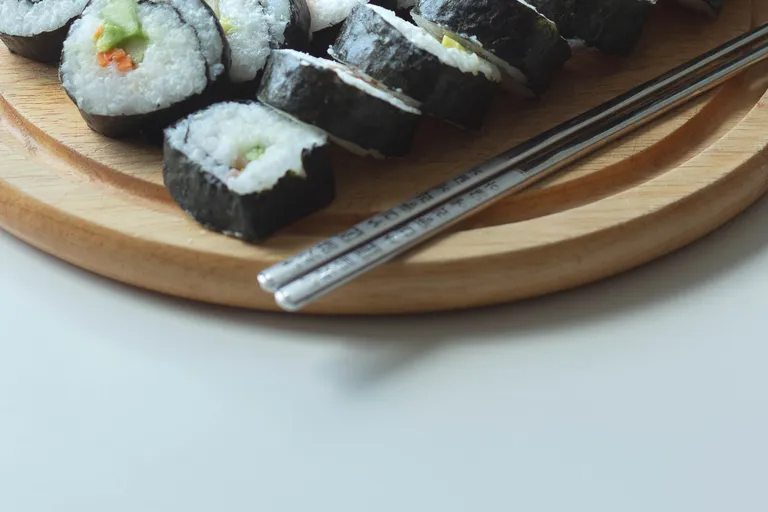
In this article, I want to tell you all about Korean chopsticks: where chopsticks originally came from, how Korean, Chinese and Japanese chopsticks differ, why Korean chopsticks are stainless steel and when Koreans start using them.
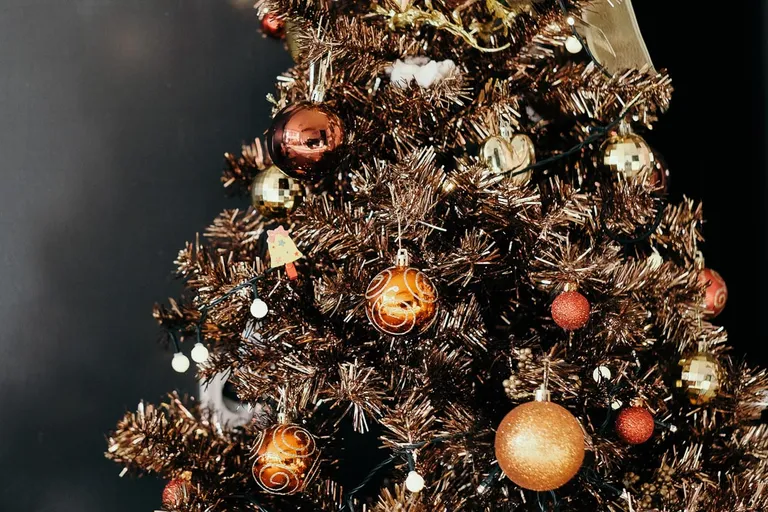
In this article you will learn everything there is to know about Christmas in Korea.
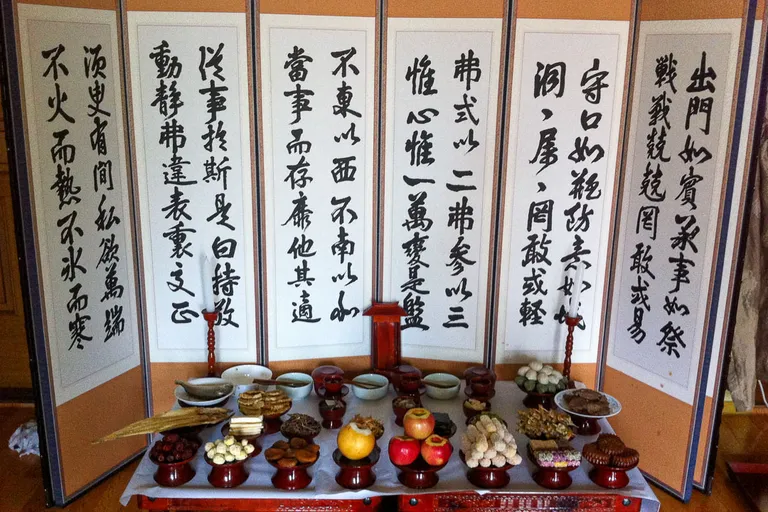
Jesa (제사) is the Korean ancestral ceremony. Families hold it on Seollal, on Chuseok and on the anniversary of a death, and at the two big holidays it is called Charye (차례).
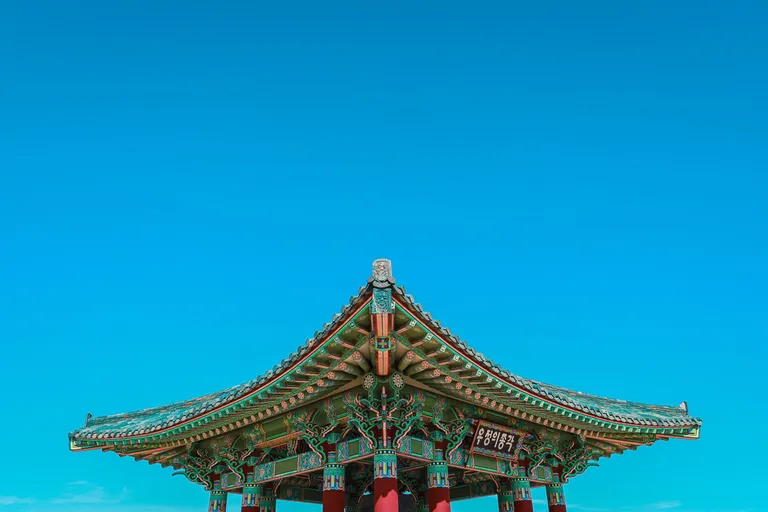
Holiday is called Gonghyuil 공휴일 in Korean, but in Chinese script Hanja 한자 it is 公休日. The meaning of the Chinese character is official day of rest, so Sunday is actually also a Gonghyuil 공휴일.

The traditional Korean New Year dish is called Tteokguk (떡국) and consists of several ingredients that you will find in many dishes of Korean cuisine and that you should know as a Korea expert.
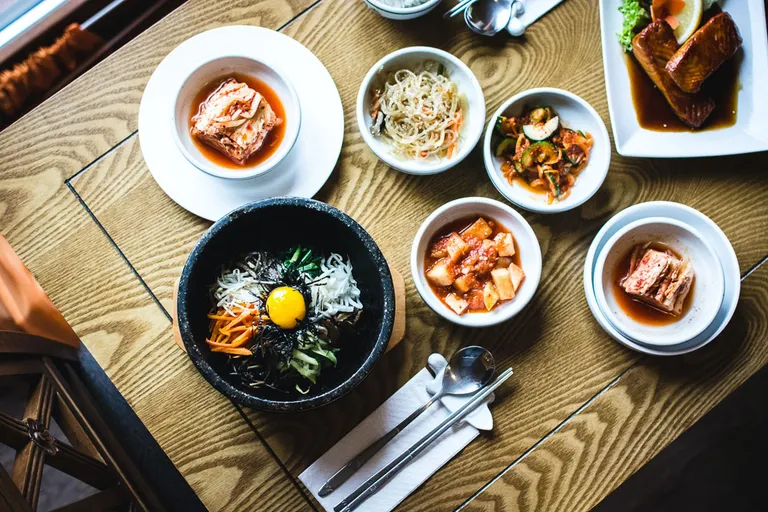
In Korean table culture, a smaller bowl of rice is placed on the left side and soup is placed on the right side of the rice.
When you travel, the weather is very important! So in this article, I'll tell you what the weather is like in Korea and when is the best time to travel to Korea.
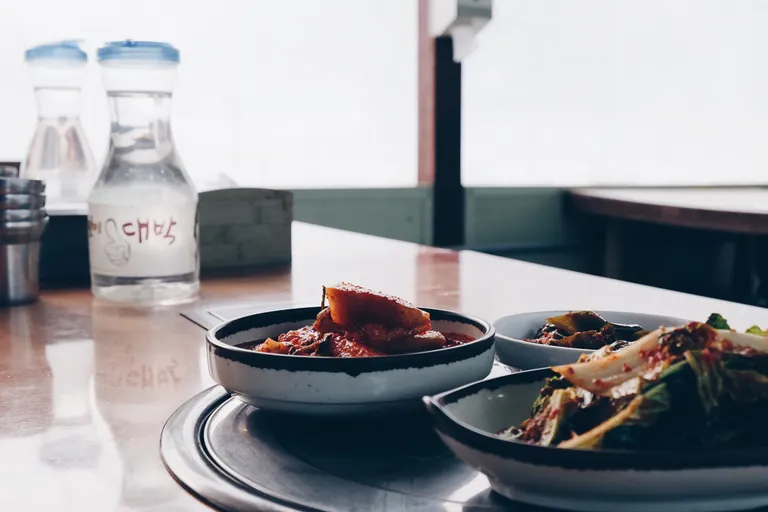
In this article, I want to talk about Korean breakfast and what we think about it these days.
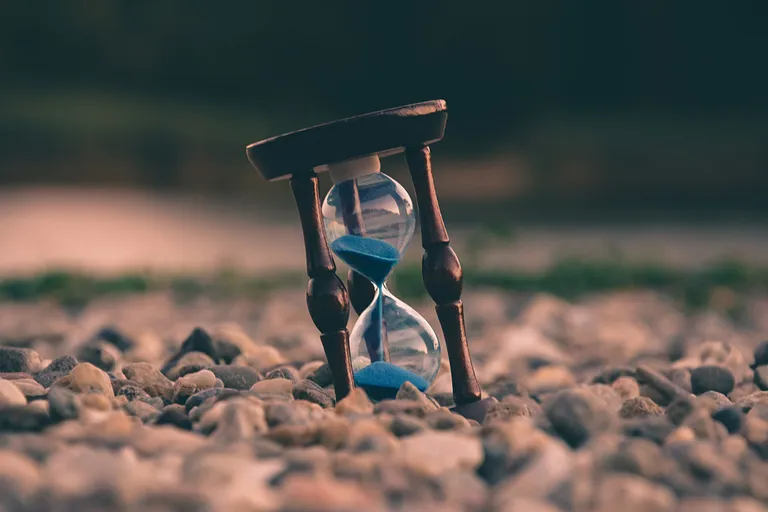
So you want to learn Korean and wonder how long it takes to learn Korean? It always takes a long time to learn a language and Korean is no exception. It takes time and patience.
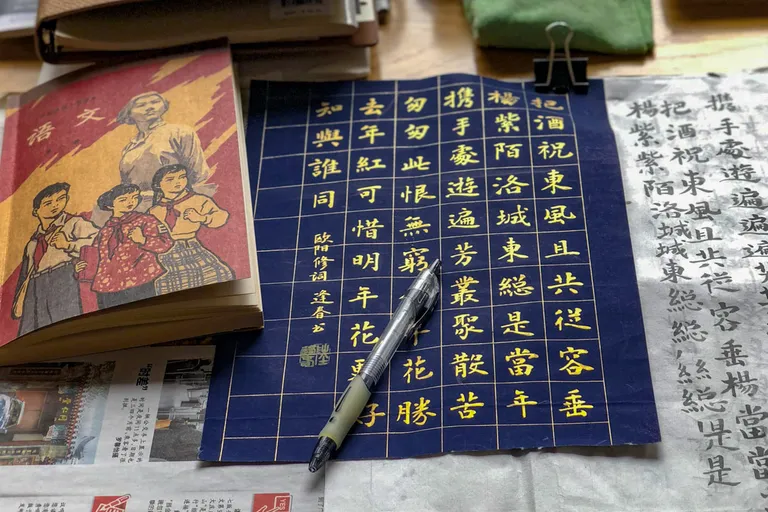
When I used to travel, Westerners would often ask me whether Koreans speak Chinese or Japanese as their native language. Now they ask how the languages differ.
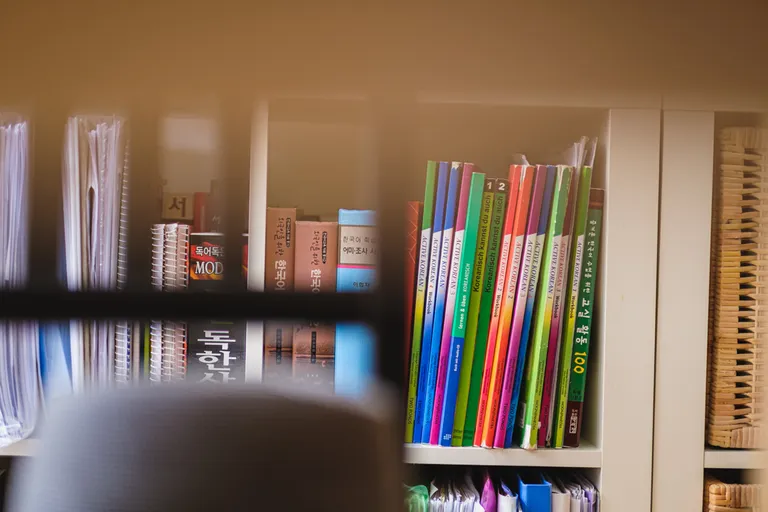
That's why we've put together this list of tips for learning Korean. These tips should help you navigate all aspects of the Korean language.
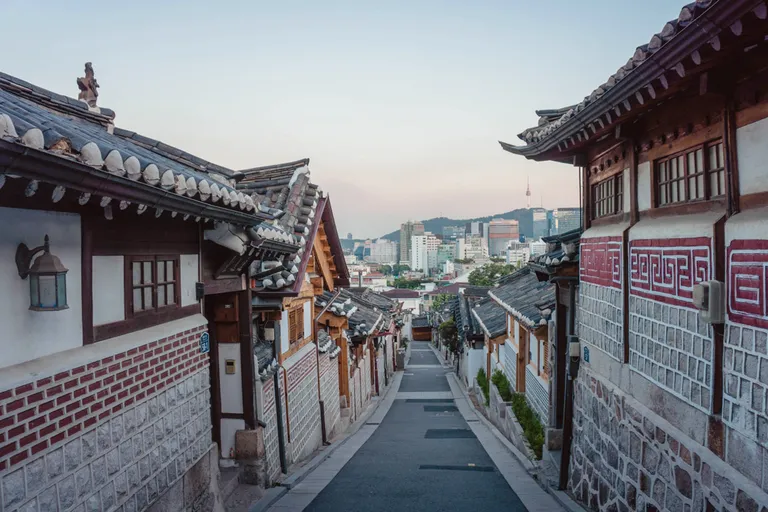
The decision to learn Korean is a personal one. Everyone has their own reasons for it and their own approach. Learning a foreign language can open the door to a new culture, connect you with people from distant lands, increase your chances at a job, or just help you understand K-pop lyrics.
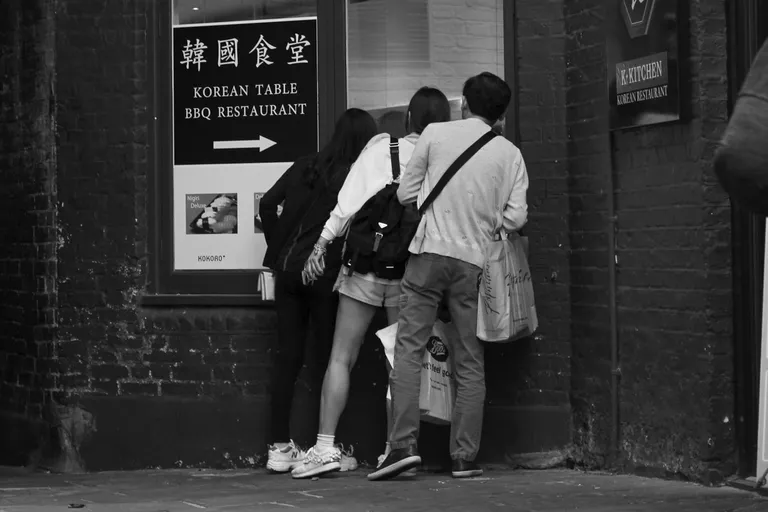
The best way to learn and become fluent in Korean is to practise speaking and listening outside of class, not just passively. It can often be difficult to find opportunities to speak in everyday life.
On YouTube
Learn Korean with Hyunok Jang on our English YouTube channel. Start with Hangul and work through the lessons at your own pace.